Organoid Research
Organoids are only as good as the cells that seed them. Whether you're establishing intestinal crypts for a gut organoid line, isolating islets for pancreatic disease modeling, or characterizing gut epithelial cell populations by scRNA-seq, the dissociation step determines which cell types you actually recover — and how faithfully their transcriptomes reflect the tissue they came from.
This collection covers three organ-specific dissociation kits used in organoid and single-cell workflows across GI biology, endocrinology, and model organism research.
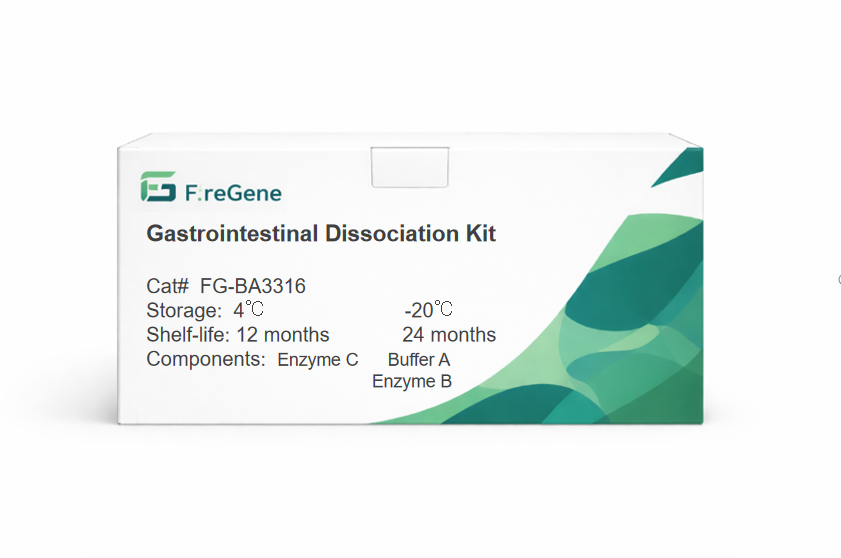
Gastrointestinal Dissociation Kit (FG-BA3316) Enzymatic dissociation kit optimized for viable single-cell suspensions from GI tissue, used in single-cell sequencing, immune profiling, and gut microbiota research. Suited for IBD, colorectal cancer, and intestinal epithelial biology applications where cell-type representation and viability from a structurally complex, mucus-rich tissue are the primary constraints.
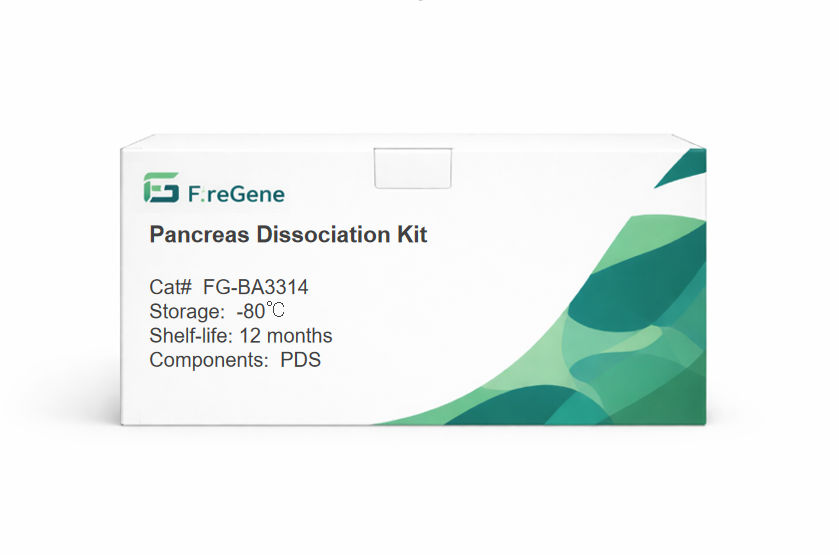
Pancreas Dissociation Kit (FG-BA3314) Enzymatic kit for pancreatic tissue dissociation into viable single-cell suspensions, supporting investigations into diabetes, pancreatitis, and pancreatic cancer. The pancreas combines dense acinar exocrine tissue with rare endocrine islet populations — a composition that makes standard dissociation protocols unreliable for downstream single-cell analysis.
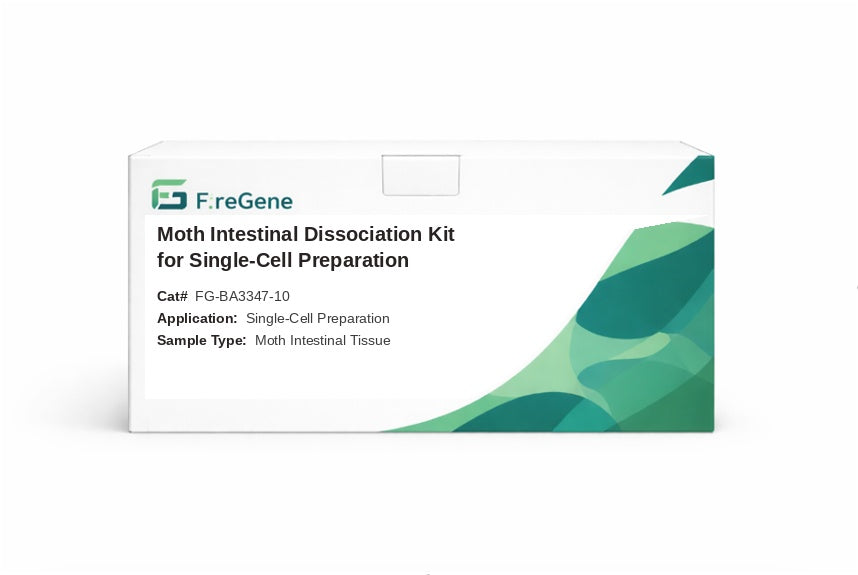
Moth Intestinal Dissociation Kit (FG-BA3347) Single-cell preparation from lepidopteran intestinal tissue for insect gut biology, host-pathogen interaction studies, and comparative GI research using model organisms. One of few commercially available dissociation kits specifically formulated for insect intestinal tissue.
All three kits are validated for 10x Genomics Chromium, BD Rhapsody, and Drop-seq workflows.