Single-Cell Suspension Cleanup Workflow
Dissociation gets the cells out of the tissue. Cleanup determines what actually goes into the cartridge.
A suspension with 30% dead cells isn't just a viability problem — dead cells release RNA that contaminates ambient profiles, inflate doublet rates, and generate artifactual clusters that take hours of bioinformatics to filter out. Debris raises background signal. Red blood cells consume capture sites on the 10x bead without contributing any usable transcriptome. The cleanup step before loading is where these problems are solved, not downstream.
This collection covers the post-dissociation cleanup reagents in FireGene's single-cell preparation workflow, organized by the contaminant being removed.
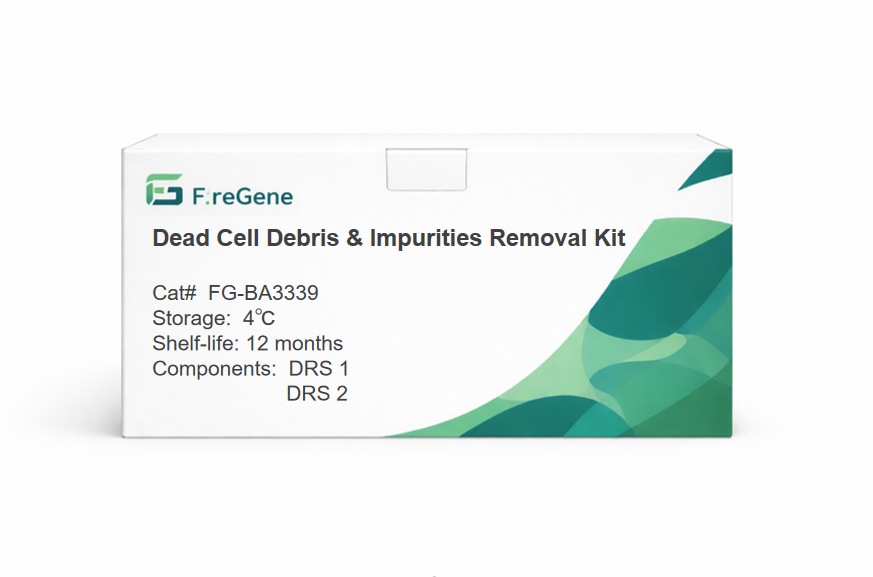
Dead Cell and Debris Removal The Dead Cell Debris & Impurities Removal Kit (FG-BA3339) removes apoptotic cells, necrotic cells, and cellular debris while preserving live cell integrity, viability, and surface antigen expression — the surface markers that flow cytometry and immunophenotyping downstream applications depend on. Operates via density gradient centrifugation: low-density dead cells and debris float to the upper layer while viable intact cells sink, yielding a clean, enriched single-cell suspension.
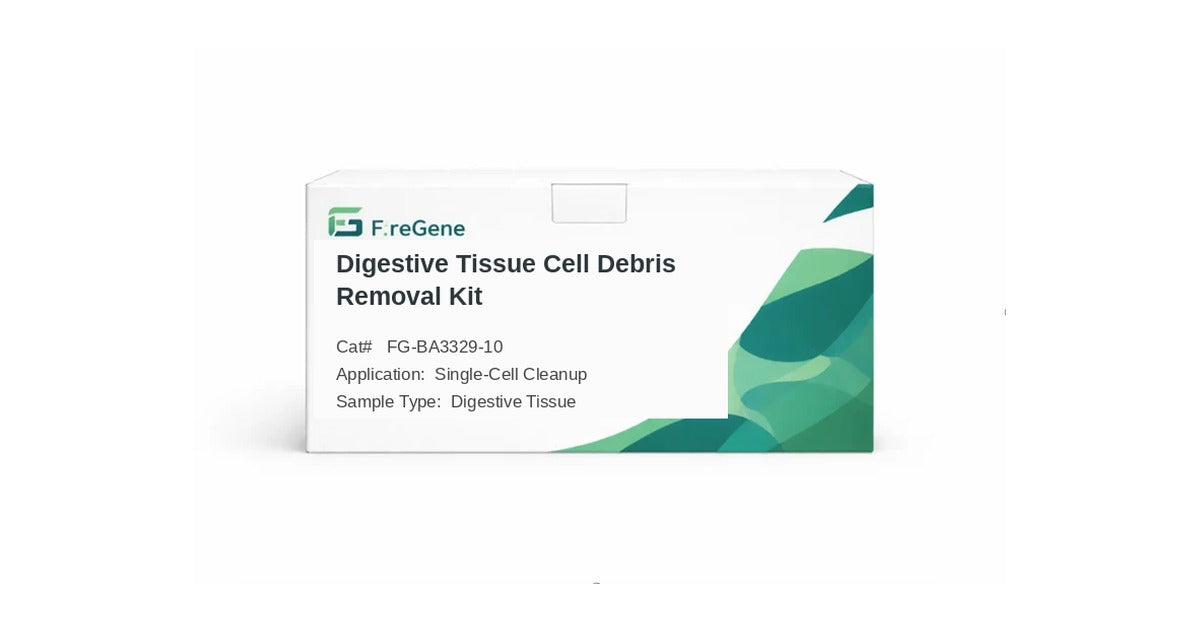
Digestive Tissue Debris Removal The Digestive Tissue Cell Debris Removal Kit is designed specifically for single-cell suspensions from gastrointestinal tissues, where mucus-associated material, epithelial debris, and dissociation byproducts require a tissue-specific layered separation workflow.
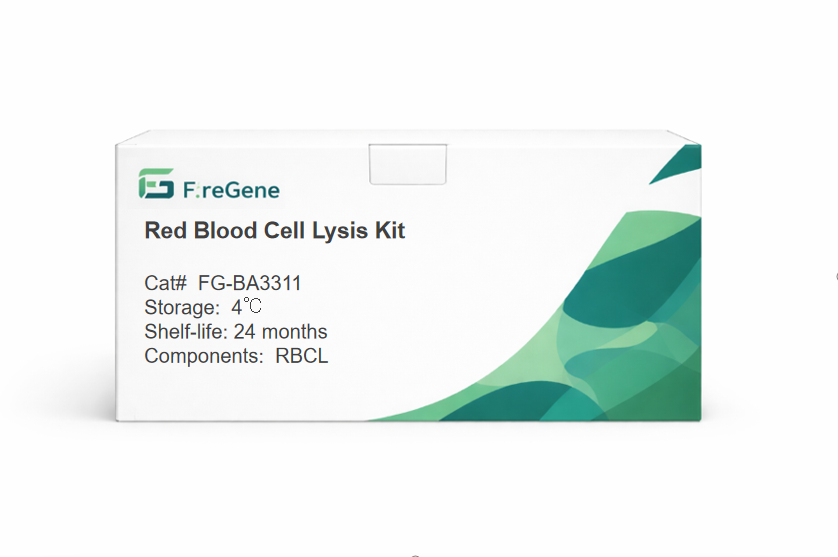
Red Blood Cell Lysis The Red Blood Cell Lysis Kit uses osmotic shock and enzymatic digestion to selectively lyse erythrocytes from single-cell suspensions — removing the cellular noise caused by RBCs in blood-contaminated tissue preparations and blood-derived samples.
Compatible with 10x Genomics Chromium, BD Rhapsody, and Drop-seq workflows.