Neuroscience Single-Cell Sample Prep
Brain tissue doesn't dissociate like liver or lung. A protocol that works on soft tissue will shear neurons, leave myelin debris in suspension, and return a cell population that looks nothing like what was in the animal. The biology is already hard — the sample prep shouldn't be the bottleneck.
This collection covers four dissociation kits built specifically for neural and sensory tissue, each formulated around the structural and biochemical properties of that tissue type.
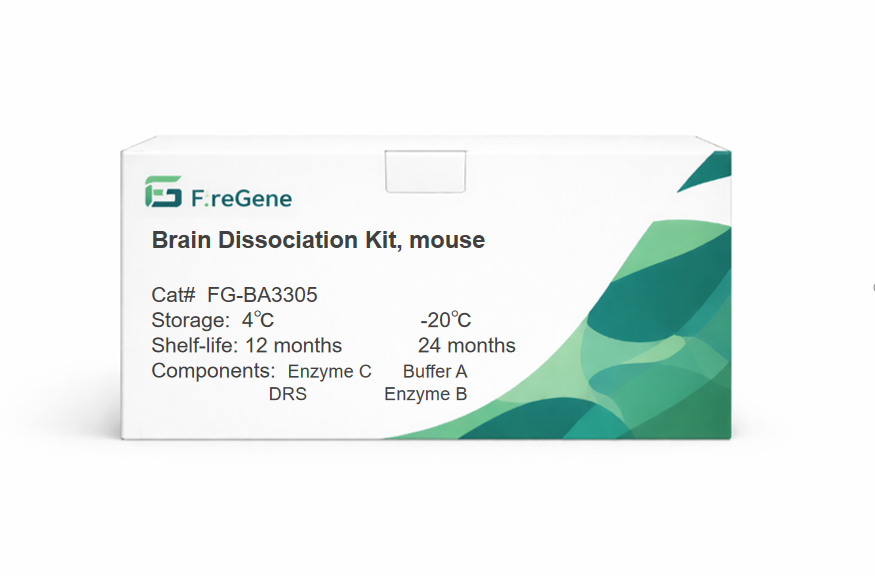
Mouse Brain Dissociation Kit (FG-BA3305) Enzymatic formulation optimized for mouse neural tissue, where high lipid content and fragile neuronal populations make standard protocols unreliable. Used in scRNA-seq workflows requiring intact neurons, astrocytes, microglia, and oligodendrocytes without ex vivo transcriptional artifacts from over-digestion.
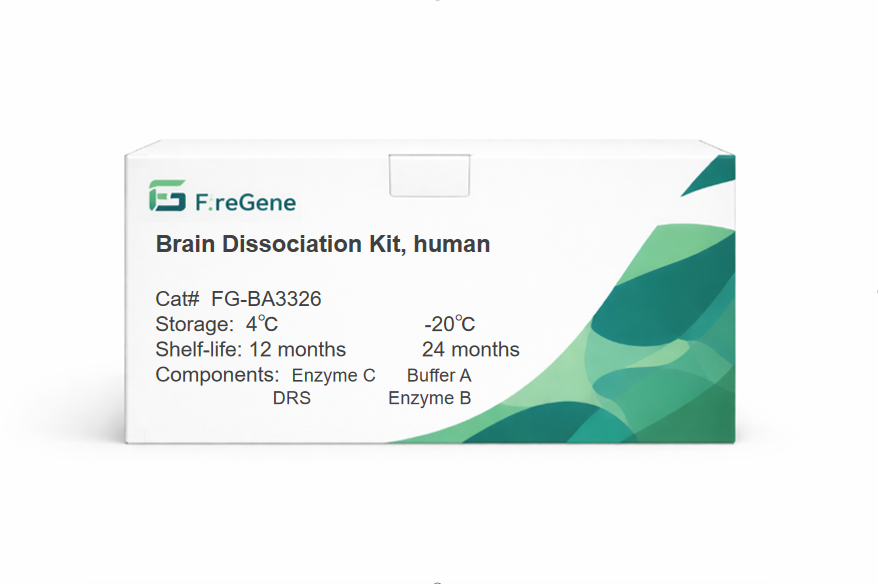
Human Brain Dissociation Kit (FG-BA3326) Purpose-built for human brain tissue, which has a denser extracellular matrix and different myelination profile than rodent brain. Mouse brain protocols applied to human tissue typically yield lower viability and higher aggregation — this kit addresses both through species-specific enzyme calibration.
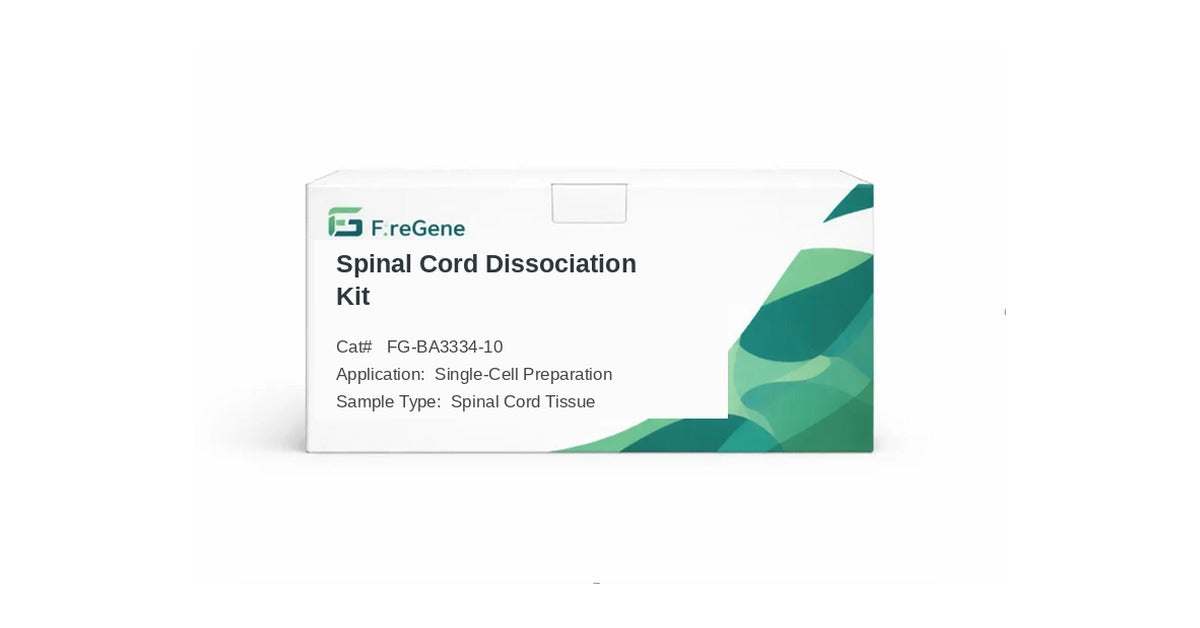
Spinal Cord Dissociation Kit Optimized for the connective tissue density and mixed cell composition of spinal cord — neurons, oligodendrocytes, astrocytes, microglia, and vascular cells in a structure that resists generic CNS protocols. Suited for neuroinflammation, ALS, spinal injury, and demyelinating disease research.
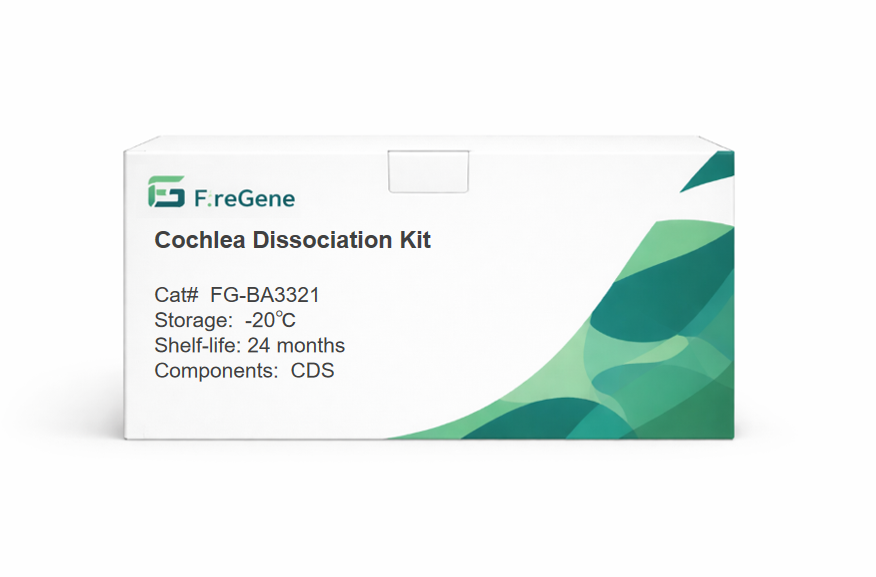
Cochlea Dissociation Kit (FG-BA3321) Designed for inner ear tissue isolation, where fragile hair cells and supporting cell populations are lost under standard enzymatic conditions. Enables single-cell characterization of cochlear cell types for hearing research and auditory neuroscience.
All four kits are validated for 10x Genomics Chromium, BD Rhapsody, and Drop-seq workflows.